Most systems do not fail overnight. A glove box rarely “breaks” in a dramatic way. Instead, it drifts slowly out of optimal condition until research data becomes inconsistent, gas consumption increases, alarms appear more frequently, or operators notice unusual sounds during operation. By the time performance is clearly affected, valuable time and materials may already be lost. Understanding when a glove box requires attention is not only about repair; it is about protecting stability, safety, and productivity. This guide provides a structured diagnostic checklist to help you decide whether your glove box needs a quick adjustment, scheduled service, or urgent glove box maintenance intervention.
The Five Clear Signs Your Glove Box Needs Maintenance
Maintenance decisions should be based on measurable symptoms rather than guesswork. The following indicators provide practical guidance for operators and laboratory managers.
Performance Decline in Sealing, Atmosphere, or Temperature Control
The most common early sign of maintenance need is a gradual decline in atmosphere stability. Oxygen or moisture levels that previously recovered quickly after transfers may begin taking longer to stabilize. Dew point values may drift upward over days or weeks. Gas purity might fluctuate even when workflow remains unchanged.
Temperature or humidity regulation inside specialized systems may also show instability. If these changes occur without obvious workflow variation, the cause is often seal aging, purifier saturation, circulation inefficiency, or sensor drift. Monitoring data trends provides valuable insight into these performance shifts.
Abnormal Sound or Vibration During Pumping or Filling
Mechanical components communicate problems through sound and vibration before complete failure occurs. Pumps that previously operated quietly may begin producing grinding noises, irregular vibration, or inconsistent pressure pulses. Gas filling valves may respond more slowly or emit unusual sounds.
These symptoms should not be ignored. Early inspection prevents major component replacement and reduces downtime. Mechanical irregularities often indicate wear in bearings, loose fittings, or contamination inside pumping mechanisms.
Seal Aging in Gloves, O-Rings, and Door Gaskets
Sealing components experience constant stress from pressure cycles and mechanical use. Gloves may lose elasticity, develop micro-cracks, or feel sticky. Door gaskets may flatten over time and fail to maintain compression. O-rings can harden or soften depending on environmental exposure.
Because sealing is fundamental to atmosphere stability, even minor degradation can result in slow oxygen and moisture drift. Routine visual and tactile inspection is essential for preventive glove box maintenance.
Control System Alarms
Alarm signals from monitoring systems must be treated as immediate diagnostic prompts rather than inconveniences. Repeated oxygen or moisture alarms, pressure warnings, or circulation alerts indicate deviation from stable conditions.
Modern glove box systems equipped with intelligent monitoring platforms provide detailed logs. Reviewing alarm history helps determine whether issues are isolated events or patterns requiring intervention.
Time-Based Preventive Inspection
Even in the absence of visible symptoms, preventive maintenance schedules remain critical. Filters, purification media, and sealing components have defined service intervals. Ignoring routine inspection simply delays inevitable degradation.
Time-based inspection prevents unexpected interruptions and supports predictable operation.
O2 and H2O Creeping Up Troubleshooting
Rising oxygen or moisture levels represent the most common maintenance trigger. Addressing this symptom systematically prevents unnecessary mechanical disassembly.
Verify Circulation and Purification Performance
First confirm that circulation systems operate correctly. Ensure fans are functioning and that purification modules are active. If purifier media approach saturation, atmosphere recovery time increases noticeably.
Purifier regeneration or replacement may be necessary if oxygen and moisture values fail to return to baseline after normal purge cycles.
Review Antechamber Discipline
Incomplete purge cycles frequently mimic leakage. If moisture spikes occur after transfers but recover eventually, operator procedure may be the cause. Reinforcing standardized purge timing and ensuring full evacuation cycles resolve many apparent problems.
Inspect Seal Condition in Relation to Room Environment
Room temperature and humidity influence seal elasticity. Excessively dry or humid external environments can accelerate gasket hardening or softening. Inspect door seals, glove rings, and O-rings for texture changes. Environmental awareness often explains gradual drift patterns.
When Maintenance Is Urgent Versus When It Can Wait
Not all maintenance needs demand immediate shutdown. Clear classification helps prioritize action.
Urgent Situations
Rapid oxygen or moisture spikes that do not recover after purge cycles indicate possible structural leakage or purifier failure. Repeated alarms accompanied by pressure instability require immediate investigation. Inability to maintain pressure during basic testing suggests significant sealing issues.
In these cases, continuing operation risks contamination of sensitive materials.
Schedule Soon
Slow drift, gradually increasing recovery time, or moderate rise in gas consumption suggests aging components. Scheduling service within a defined timeframe prevents escalation.
Routine Preventive Tasks
Glove replacement based on visible wear, filter replacement near service interval, and periodic integrity testing are part of standard glove box maintenance. Addressing these routinely ensures long-term stability.
What Purifier Regeneration Means in Plain English
Purifier regeneration is often misunderstood. It is not a sign of failure but a standard maintenance process.
Why Regeneration Exists
Purification media remove oxygen and moisture by binding contaminants. Over time, binding sites become saturated. Regeneration restores capacity by removing accumulated contaminants under controlled conditions.
Failure to regenerate leads to declining performance and slower atmosphere recovery.
Pre-Check Before Regeneration
Before initiating regeneration, verify that oxygen and moisture levels justify the process. Monitoring trends helps avoid unnecessary cycles. Regeneration should be performed according to manufacturer guidelines and safety procedures.
Safety Awareness
If hydrogen mixtures are used in regeneration cycles, strict adherence to safety protocols is mandatory. Proper ventilation, monitoring, and procedure compliance protect operators and equipment.
Glove and Seal Inspection: The Parts That Fail First
Sealing components represent the most common maintenance focus because they experience daily mechanical stress.
Visual and Physical Inspection
Check gloves for cracks, thinning, tackiness, or stiffness. Inspect gaskets for flattening or compression marks. Ensure O-rings remain elastic and free of deformation.
Early replacement prevents more serious leakage issues.
Pressure-Decay Glove Integrity Testing
Performing periodic pressure decay tests isolates glove integrity. By sealing the chamber and observing pressure stability, operators can confirm whether micro-leaks exist.
This method provides objective confirmation rather than relying solely on visual inspection.
Recordkeeping Improves Stability
Maintaining logs of component replacement dates, regeneration cycles, and alarm history creates traceability. Patterns emerge over time, enabling predictive maintenance rather than reactive repair.
Maintenance Decision Checklist
Check Item | Pass Example | If Fail, Do This First | If Still Fails |
O2/H2O returns quickly after purge | Recovers within normal time | Verify circulation and purge setting | Perform leak test and service |
Pump sound stable | Smooth and consistent | Inspect pump assembly | Replace or schedule service |
Glove elasticity intact | Flexible and crack-free | Replace gloves | Conduct integrity test |
Seal condition firm and even | Uniform compression | Replace gasket or O-ring | Full seal audit |
Alarm history minimal | No repeated alerts | Review logs and reset | Professional maintenance |
This structured approach transforms uncertainty into actionable steps.
Integrated Monitoring and Serviceability
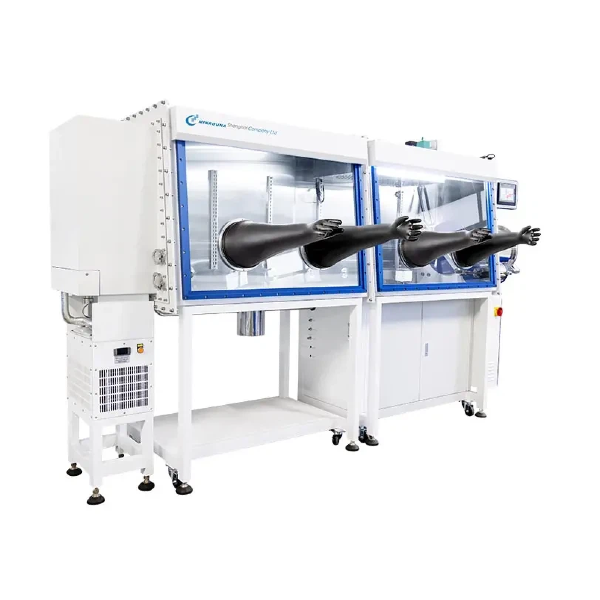
Modern glove box systems benefit from integrated informatization management platforms that continuously log oxygen, moisture, and pressure data. These systems allow early detection of abnormal trends before critical failure occurs.
Mikrouna (Shanghai) Industrial Intelligent Technology Co., Ltd., founded in 2004 with registered capital of 107 million RMB, integrates research, development, manufacturing, sales, and service as a leading enterprise in the vacuum glove box industry. With more than 500 employees and three major manufacturing bases in Shanghai, Xiaogan, and Wuqing, Mikrouna designs modular systems that simplify glove box maintenance.
Modular architecture allows independent inspection of chambers, feedthroughs, and purification modules. Intelligent monitoring supports predictive maintenance, while comprehensive training and service programs reduce downtime and improve operational reliability.
Maintenance is therefore not only about fixing problems but about maintaining performance continuity.
Conclusion
Maintenance is not only repair; it is stability control. Monitoring atmosphere trends, inspecting seals, listening for mechanical irregularities, and performing structured testing prevent minor drift from becoming major failure. Mikrouna combines advanced monitoring, modular serviceability, and long-term technical support to help laboratories maintain consistent glove box performance and reduce downtime. If your facility observes drift, alarms, or unusual mechanical behavior, contact us to evaluate how a professionally engineered controlled atmosphere system can support reliable operation and efficient glove box maintenance management.
FAQ
How often should glove box maintenance be performed?
Preventive inspection should follow manufacturer recommendations and usage intensity. Regular monitoring helps determine optimal service intervals.
What is the first step when oxygen levels begin rising?
Verify purge discipline and circulation performance before assuming structural leakage. Many issues originate from operational procedure rather than mechanical failure.
Are abnormal pump sounds always serious?
Unusual sounds may indicate early wear. Immediate inspection prevents more costly damage and downtime.
Why is recordkeeping important for glove box maintenance?
Maintenance logs reveal trends, allowing predictive planning and reducing unexpected system interruption.


